Introduction
Australia is home to some of the globe's most poisonous serpents, including the tiger serpent, eastern brownish serpent, and king brownish snake. These reptiles populate different environments throughout the continent, making experiences with humans relatively common. Regrettably, serpent attacks can lead to serious medical emergency situations, needing immediate focus and effective treatment. This is where the relevance of antivenom manufacturing in treating snake attacks in Australia enters play.
Antivenom is a life-saving therapy that counteracts snake poison's harmful effects, dramatically lowering mortality prices related to bites from unsafe types. In this comprehensive article, we will explore the crucial aspects of antivenom manufacturing, its role in dealing with serpent attacks, and just how it has actually evolved in Australia over the years.
The Significance of Antivenom Manufacturing in Caring For Serpent Bites in Australia
Antivenom production is essential for managing serpent bite situations successfully. With countless reported incidents annually, particularly in backwoods where clinical centers might be limited, having a dependable supply of antivenom can indicate the distinction in between life and death.
Understanding Poisonous Serpents in Australia
Types of Poisonous Snakes
Australia boasts a wide variety of venomous snakes, each presenting special threats to human health and wellness:
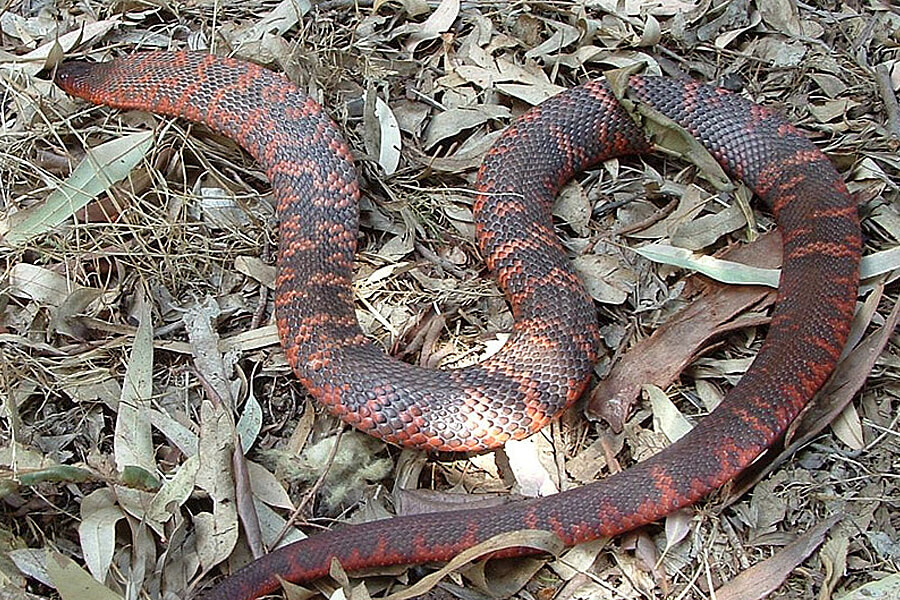
- Eastern Brown Snake: Recognized for its potent poison and hostile nature. Tiger Snake: Located mainly near water bodies; it's very venomous. King Brown Snake: Popular for both its size and deadly venom.
Understanding these snakes' environments and habits is necessary for prevention and education relating to prospective encounters.
The Refine of Antivenom Production
Step 1: Poison Extraction
The primary step in producing antivenom involves removing venom from real-time serpents. This procedure calls for specialized abilities and equipment to ensure safety and security for both the handlers and the animals.
Step 2: Immunization
Once enough venom is gathered, it is utilized to vaccinate horses or lamb. These pets generate antibodies against the contaminants found in the venom over numerous weeks.
Step 3: Serum Collection
After adequate antibody levels are reached, blood is attracted from these pets to accumulate lotion abundant in antibodies that counteract snake venom.
Step 4: Purification and Testing
The gathered lotion goes through filtration processes to eliminate pollutants. Strenuous screening follows to ensure safety and security and efficacy before it can be distributed as antivenom.
Distribution and Availability of Antivenom
Antivenoms are stored at healthcare facilities throughout Click for more Australia, especially those located near high-risk locations like bushlands or country areas. Fast accessibility guarantees timely treatment for sufferers of Antivenom serpent bites.
First Aid for Snake Bites: An Important Action Prior To Antivenom Administration
In addition to having accessibility to antivenoms, knowing appropriate emergency treatment treatments is vital. Immediate action can minimize signs and symptoms while waiting for expert clinical assistance.
Call Emergency situation Services: Seek immediate help if bitten. Keep the Target Calm: Anxiousness can accelerate heart rate and spread poison faster. Immobilize the Influenced Limb: Use a splint if available. Avoid Tourniquets: They can do more injury than good by limiting blood flow. Do Not Attempt To Suck Out Venom: This technique is inefficient and possibly harmful.
Common Misunderstandings Concerning Serpent Bites
Many people hold false impressions regarding serpent bites that can result in inefficient emergency treatment steps:
- Myth: All snakes are aggressive. Fact: Lots of snakes will take off as opposed to challenge people unless threatened. Myth: You need to use ice or heat after a bite. Fact: Both approaches can intensify tissue damages; keeping the arm or leg still is a lot more effective.
Statistics on Snake Bites in Australia
According to reports from health and wellness authorities:
- Approximately 3,000 serpent attacks occur yearly throughout Australia. The majority occur throughout warmer months when snakes are more active.
Understanding these stats helps highlight why antivenom production remains essential.
Snake Attack Signs You Must Know
Recognizing signs and symptoms can cause quicker therapy:
- Localized discomfort or swelling Nausea or vomiting Difficulty breathing Dizziness or weakness
Immediate acknowledgment can conserve lives!
FAQs
1. What should I do if attacked by a tiger snake?
Seek emergency situation Australian snake habitats clinical help promptly! Apply basic first aid by immobilizing the damaged location while waiting on help.
2. Are all Australian snakes venomous?
No! While numerous species are poisonous (like tiger snakes), others pose no threat to people (like numerous pythons).
3. Exactly how does antivenom work?
Antivenoms contain antibodies that reduce the effects of certain toxins found in snake poisons, properly neutralizing their damaging impacts on the body.
4. Can I treat a snake bite at home?
Self-treatment isn't recommended; constantly seek expert clinical assistance despite standard first aid applied.
5. Where can I find an efficient emergency treatment kit for serpent bites?
Many pharmacies supply specialized sets designed specifically for treating serpent attacks; options differ based on location however search for items having compression bandages and directions tailored towards envenomation scenarios.
6. The length of time does it take for antivenom to work?
Antivenoms generally start functioning within mins after administration; nonetheless individual reactions may vary based upon factors such as age or health and wellness standing previous exposure levels etc.
Conclusion
In recap, understanding the significance of antivenom production in dealing with serpent attacks in Australia can not be overstated. With a number of harmful species living in diverse environments across this large continent together with climbing cases each year demanding boosted recognition bordering avoidance techniques coupled alongside reliable therapies through timely accessibility modern improvements and so on. Antivenoms play an indispensable role saving plenty of lives yearly whilst continuous research enhances developments making certain future improvements proceed advancing healthcare practices combating issues relevant specifically concerning wild animals interactions versus human populations hence connecting voids ultimately ensuring much safer conjunction moving forward right into tomorrow's landscape!
By understanding exactly how crucial these treatments are incorporated with avoidance education and learning methods we equip ourselves communities grow sustainably sympathetically with each other securing each other versus risks presented nature itself!